
Industrial Monitors
Extended Temperature | Class I Div 2 | High Brightness
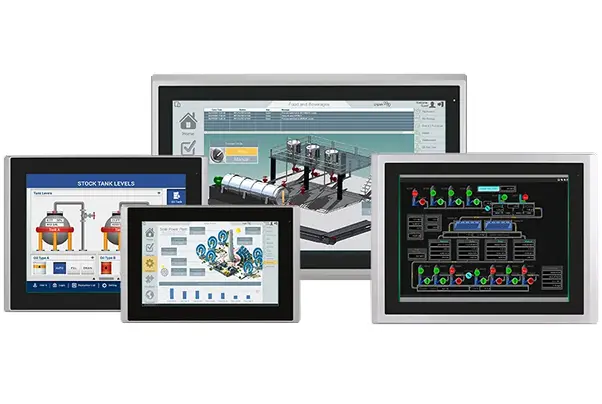
From machine to factory floor, our Industrial Monitors provides solutions
Our industrial monitors are ideal for applications in Industrial Automation, Healthcare, Finance/Banking, Education, Gaming/Entertainment, Home Automation, Retail, Transportation, and more.
Industrial touch screen monitors are designed and tested for harsher environments making them much more rugged, compared to typical “office” monitors. They are designed to withstand prolonged shock & vibration, a wide temperature range, and protection from water and dust. All of our monitors can be panel mount, or VESA mounted, depending on your application.
All our monitors allow you to use gloves and act as touchscreens, reducing the need for a keyboard and mouse allowing for maximum freedom when designing a system.
Essential Features for Industrial Monitors
Size and Resolution
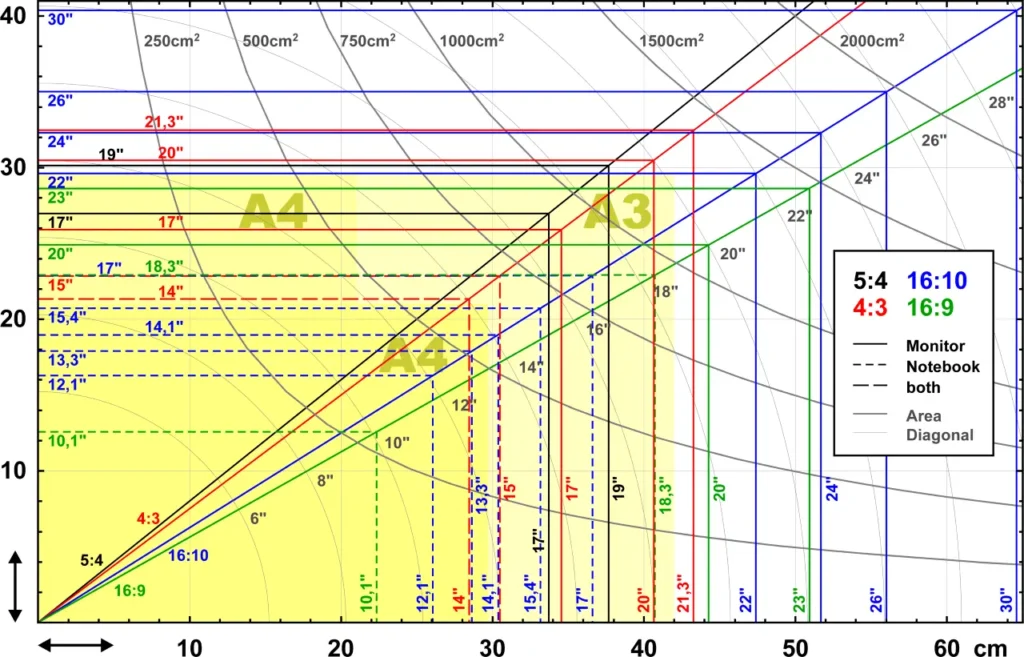
The display size and resolution of an industrial monitor are crucial factors that depend on your project’s requirements and the available space at the installation site. Larger screens are needed for detailed visual tasks, but they require higher resolutions to maintain clarity. It’s important to balance the screen size with adequate resolution to ensure clear and crisp display quality, especially in industrial settings where precision is key.
Operating Temperature

When choosing a new industrial monitor, consider the ambient temperature at the intended location of use as a critical factor. Monitors are designed to operate within specific temperature ranges. Therefore, it is important to select a model capable of sustained operation under the existing conditions in the area where it will be used.
Connection Ports
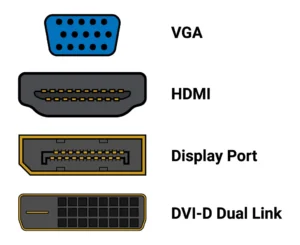
A key thing to consider when selecting a new industrial monitor is whether it has ports that will enable it to connect to the rest of your equipment. There are many styles of video connection ports, each with their own characteristics and advantages. In an industrial setting, the most commonly used ports include VGA, HDMI, DisplayPort, and DVI, though there are many other options available on the market.
Optical Bonding
Screen glare can negatively impact an operator’s ability to read and understand what is shown on the display, which can lead to increased time-to-decision and user errors. Optical bonding addresses this issue by adding an additional layer of glass to the screen and completely filling any air gap that may exist with optically clear adhesive or resin. Screens with optical bonding have multiple advantages over standard touch screens.
Brightness
In brightly lit environments, high-brightness monitors are essential. They ensure the display remains visible and clear under intense light conditions, which is crucial for maintaining operational efficiency and safety. Screen brightness is often measured in units known as “nits”. A typical consumer-grade screen may have an output anywhere between 200-600 nits, while units capable of displaying above 1000 nits are classified as high-brightness.
Enclosure Material
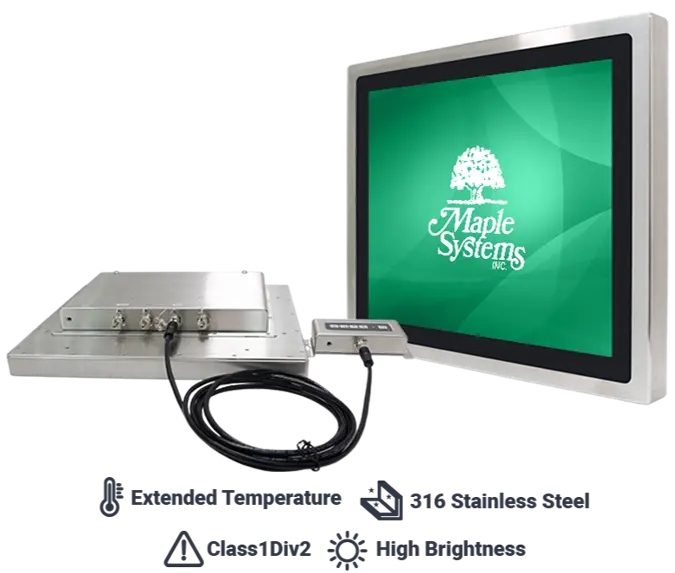
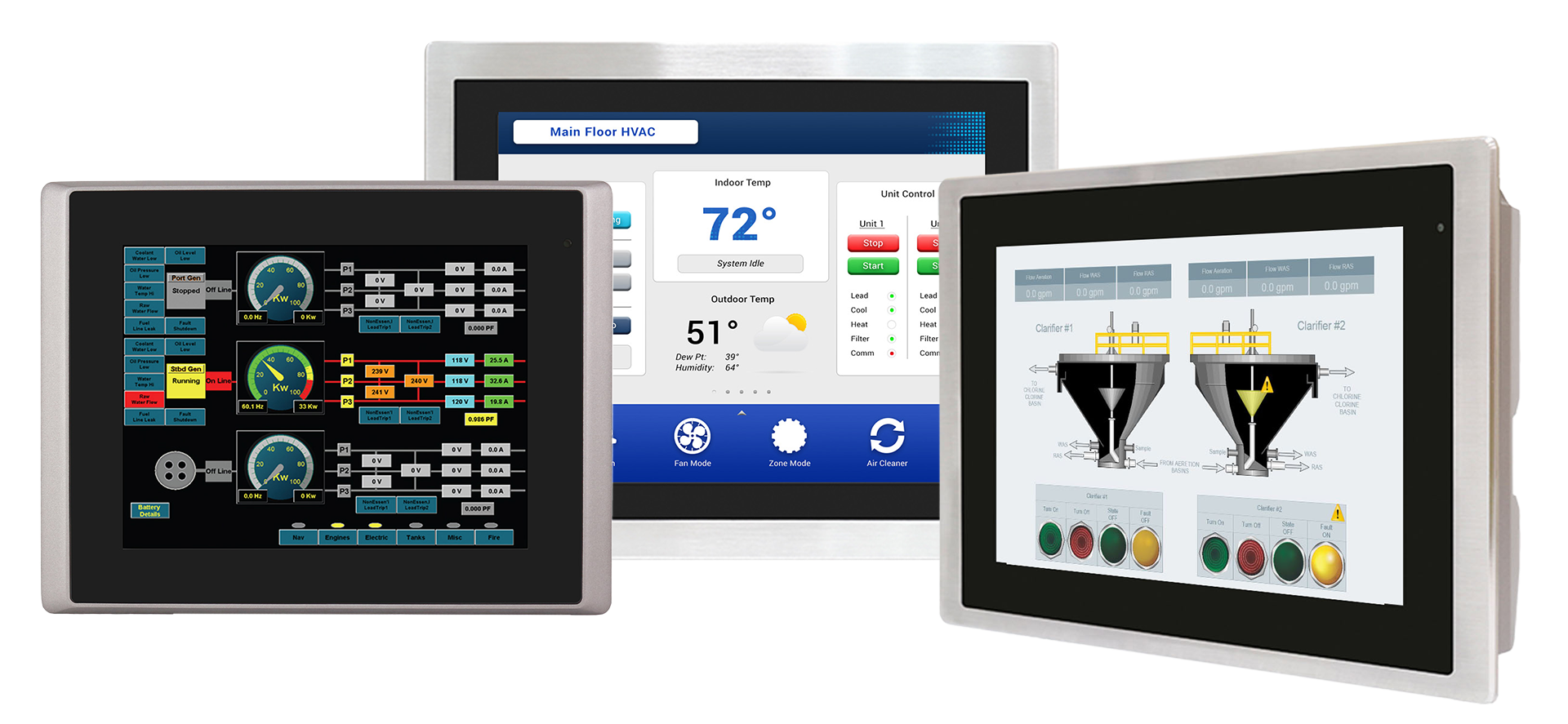
The choice of enclosure material for an industrial monitor is pivotal in determining its durability and suitability for specific environments. Options like aluminum, steel, and stainless steel offer varying degrees of robustness and resistance to environmental factors like dust, moisture, and chemicals.
Certification

Challenging environmental conditions and safety regulations may require that a device is certified by a trusted organization to ensure that it is safe to use when exposed to adverse conditions. When installing devices in facilities with high humidity, liquids, dust, or other hazardous materials that can damage sensitive electronics and jeopardize safety and productivity, it is extremely important to ensure the device has certification to operate under the specific conditions of the work site. This kind of certification is often a legal requirement for devices installed in certain environments. We’re proud that our industrial monitors feature FCC, ATEX, RoHS, CE, NEMA, CID2, IP, UL certifications (vary depending on model).