
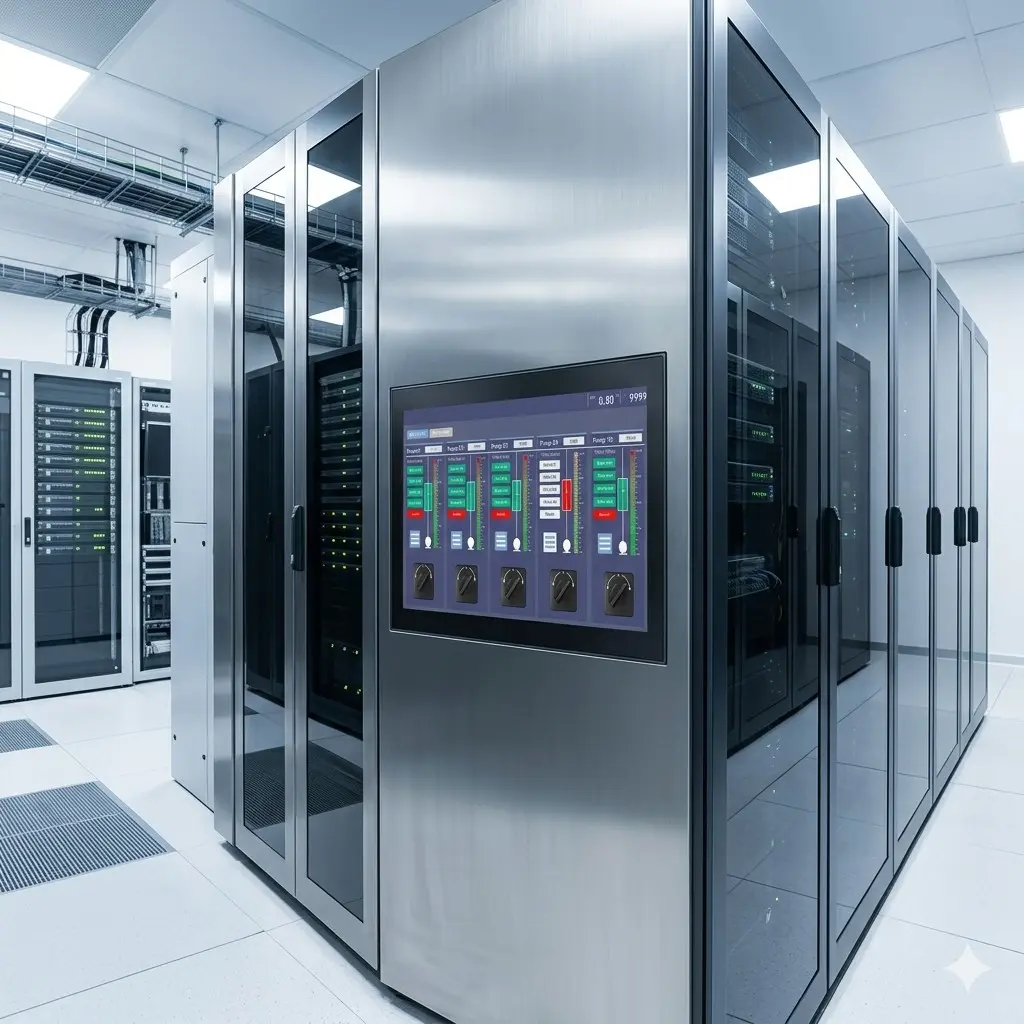
Data centers aren’t just rows of server racks; they are massive mission-critical facilities relying on complex grey space infrastructure. As data center footprints grow, localized control and processing at the equipment level, rather than relying solely on cloud-based dashboards, are more important than ever to guarantee continuous uptime.
The Unsung Heroes of Uptime
While servers handle the computational workload in the white space, your Human-Machine Interfaces (HMIs) and Industrial PCs (IPCs) manage the mechanical “brains” (power and cooling infrastructure) to prevent costly, catastrophic downtime events.
Power System Management & EPMS
Industrial PCs (IPCs) and HMIs control critical utility substation entrances, medium-voltage distribution switchgear, and critical backup generator yards. Indeed, these environments represent the backbone of your power distribution infrastructure. Consequently, deploying standard, nonindustrial hardware in these zones will inevitably lead to catastrophic system failures.
- Active Bus Voltage Monitoring: First, operators track live power streams in real time to ensure grid balance.
- Power-Load Switching: Additionally, they safely redirect power across the facility without risking dangerous electrical arcs.
- Emergency Load Shedding: Meanwhile, during a grid crisis, technicians can instantly drop non-essential loads to protect core assets.
- Fault Diagnostics: As a result, teams quickly pinpoint and isolate system failures during preventative maintenance windows.
Therefore, to ensure uninterrupted operations, you must focus your hardware selection on extreme ruggedness. In particular, unconditioned spaces like outdoor generator yards or rooftop air handlers demand specialized mechanical design
Cooling & Advanced Thermal Management
Data centers require massive amounts of energy to reject heat from the white space. Indeed, this massive thermal load makes CRAC/CRAH (Computer Room Air Conditioning/Handler) units, liquid cooling loops, and chiller plants vital to continuous uptime. Consequently, if these cooling systems fail for even a few minutes, the entire facility faces immediate thermal shutdown.
Specifically, Industrial HMIs and PCs (IPCs) protect the facility by processing dense arrays of thermal sensor data instantly. For instance, they manage high-volume inputs to execute real-time efficiency adjustments. Therefore, utilizing a responsive local HMI or PC is critical for real-time facility visibility. In particular, these specialized touchscreens act as an engineer’s primary defense against overheating.
- Optimizing Fan Speeds: First, the IPC automatically ramps cooling fans up or down based on server rack exhaust.
- Adjusting Coolant Temperatures: Additionally, the system adjusts liquid loop temperatures on the fly to maximize cooling power.
- Lowering PUE: As a result, these automated tweaks drastically reduce power waste and lower your Power Usage Effectiveness (PUE) metrics.
Edge Computing & EPMS/BMS Monitoring
Industrial automation requires a clear distinction between hardware roles. While they often work together, HMIs and Industrial PCs (IPCs) often serve completely different functions on the factory floor. Consequently, selecting the right device depends entirely on your specific data and processing needs.
Local Visualization vs. Edge Computing
Specifically, you can optimize your infrastructure by deploying each machine to its strengths. For instance, our products divide workloads logically:
- Human-Machine Interfaces (HMIs): First, these touchscreens provide dedicated, equipment-level data visualization directly to facility engineers.
- Industrial PCs (IPCs): In contrast, these rugged units leverage higher processing power to act as comprehensive Edge computing hubs.
Local Telemetry and Predictive Analytics
Therefore, utilizing an IPC allows you to manage dense operational data right where it is generated. In particular, these Edge computers excel at high-volume data management:
- Data Filtering: Meanwhile, the IPC instantly filters and logs vast amounts of facility telemetry locally.
- System Integration: Additionally, the hardware seamlessly bridges the gap with higher-level BMS and EPMS architectures.
- Predictive Maintenance: Ultimately, processing this data locally allows the system to trigger predictive maintenance alerts long before a component fails.
The Terror of Downtime
In a factory, a stopped machine costs money. However, in a data center, downtime can cost millions of dollars per minute. Consequently, even a brief outage results in catastrophic, lasting reputational damage. Therefore, every single second of an emergency response counts toward protecting the facility’s bottom line.
Your Network’s First Responder Dashboard
Specifically, you can minimize this financial risk by framing your HMI as your facility’s first responder dashboard. For instance, when a critical alarm triggers during an emergency, technicians rely entirely on this interface to act:
- Generator Failures: First, if a backup generator fails to switch on during a storm, the HMI instantly flags the issue.
- Fault Diagnostics: Meanwhile, the system pinpoints the exact point of failure on the screen without forcing a manual search.
- Manual Overrides: As a result, operators can confidently execute a secure manual override in a matter of seconds.
Ultimately, the HMIs intuitive user interface drastically slashes your Mean Time to Repair (MTTR). Additionally, it shaves crucial minutes off your emergency response window by guiding technicians straight to the solution. Furthermore, providing this level of rapid clarity ensures your critical infrastructure stays online when it matters most.
“Grey Space” Ruggedness
Marketers often mistake control networks for pristine, air-conditioned rooms. Indeed, while the primary server room is immaculate, the actual infrastructure areas where most HMIs and industrial PCs live are harsh industrial environments. Consequently, deploying standard hardware in these locations will inevitably lead to costly system failures.
Industrial HMIs and PCs must perform reliably in highly challenging locations. For instance, they are frequently mounted in the following footprints:
- Backup generator yards: As a result of constant engine testing, these areas subject HMIs and Industrial PCs to intense, continuous vibration.
- Rooftop chiller plants: Furthermore, these platforms expose HMIs and PCs to direct weather and extreme ambient heat.
- Liquid-pumping stations: Similarly, these processing zones surround the electronics with high humidity and chemical moisture.
Therefore, to survive these environments, your hardware must feature ruggedized engineering. In particular, you should look for these critical hardware specifications:
- Wide operating temperatures: For example, the system must handle freezing winter nights and blistering summer roofs (-40°C to 70°C).
- High NEMA/IP ratings: Additionally, the enclosure must be completely sealed against heavy dust, driving rain, and direct high-pressure hose-downs (IP66/NEMA 4X).
- Sunlight-readable displays: Ultimately, utilizing high-nit screens (1,000+ nits) ensures clear outdoor visibility for maintenance crews, even in direct midday sun.
Cybersecurity ( The Convergence Trap)
Data centers are among the most heavily targeted facilities for cyberattacks. Indeed, a major fear for facilities managers is that an attacker will hack a cooling loop HMI. Consequently, the bad actor could use that vulnerable endpoint to pivot directly into the main server network. Therefore, securing these edge devices is absolutely critical to protecting the entire data infrastructure.
Uncompromising Hardware Network Isolation
Specifically, you can eliminate this vulnerability by anchoring security directly at the hardware level. For instance, most industrial HMIs feature dual, completely isolated LAN ports to segment traffic:
- Port A (Local Automation): First, the HMI safely communicates with the local PLC network and mechanical cooling equipment.
- Port B (Secure Management): Meanwhile, the second port remains completely blocked from accessing the internet or the corporate IT network.
Ultimately, this physical separation guarantees true network isolation. As a result, it completely shuts down the primary pivot pathway that hackers use during a breach. Furthermore, providing this level of hardware-enforced security instantly eases the minds of strict IT security compliance officers.
“Integrator Freedom,” Not Vendor Lock-In
The professionals purchasing your hardware for data center deployments are typically System Integrators. Unfortunately, system integrators absolutely hate being forced into expensive, proprietary ecosystems that limit their engineering choices. Therefore, providing an open, flexible hardware solution is the key to winning their business.
Seamless Open-Architecture Design
Specifically, industrial PCs utilize an open architecture, which allows engineers to deploy their preferred software solutions:
- HTML5 Web Visualizations: Furthermore, developers can build modern, responsive interfaces using universal web standards.
- SCADA Applications: First, integrators can seamlessly launch powerful enterprise SCADA applications right at the edge.
- CODESYS Control: Additionally, they can run standard IEC 61131-3 PLC programming without needing extra controllers.
Integrating an open platform hardware solution drastically cuts down on initial development hours. As a result, integrators can scale projects easily across massive facilities without roadblocks. Most importantly, this approach ensures you will never get trapped in a lifetime software subscription box.
Complete Your Data Center
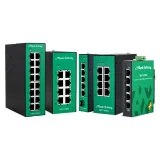
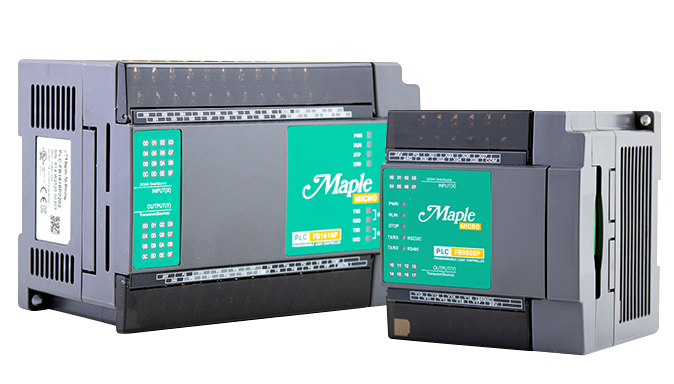
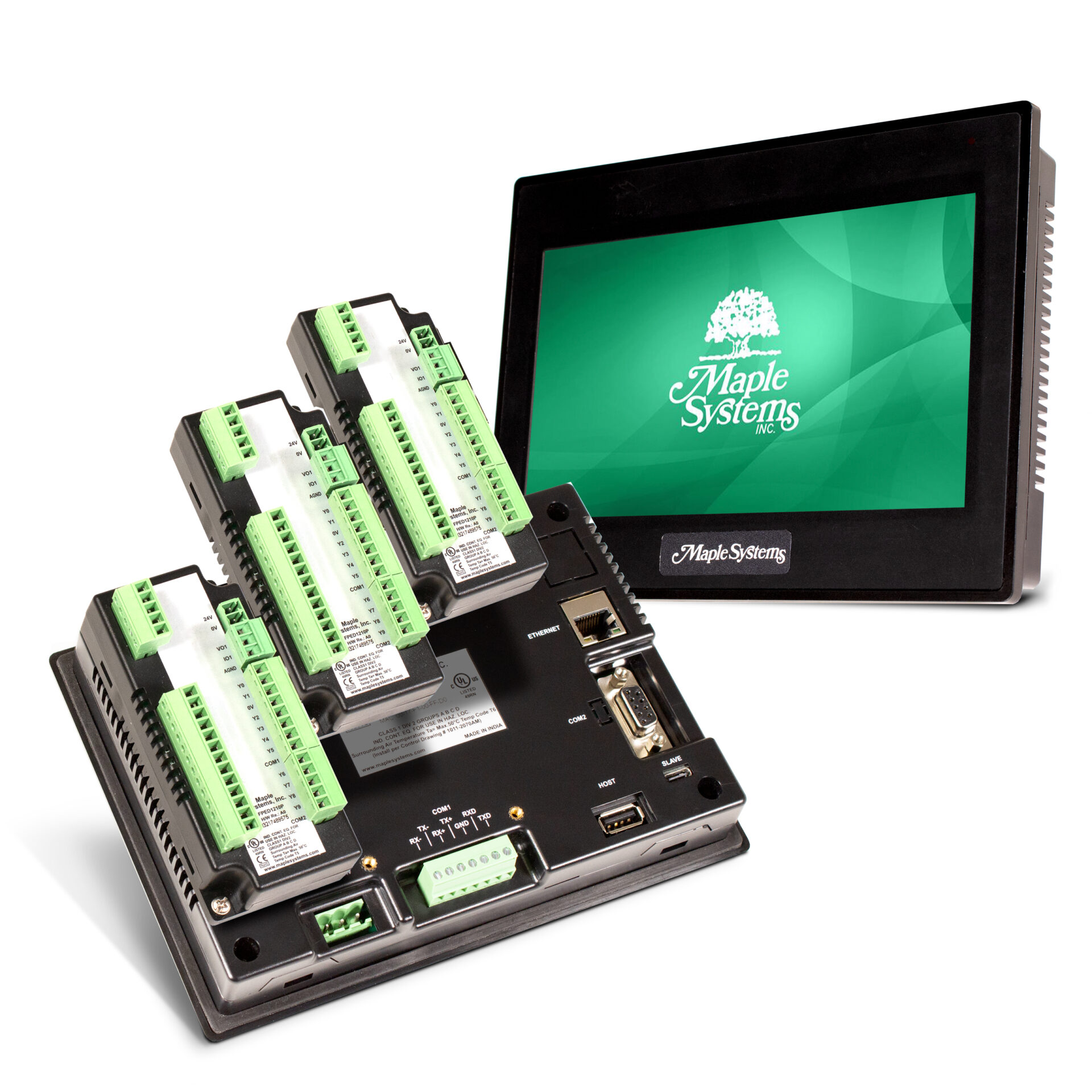
At Maple Systems we offer a complete lineup of data center components, from Network Switches to HMIs to PLCs. Contact one of our product specialist for pricing, availability, and support.
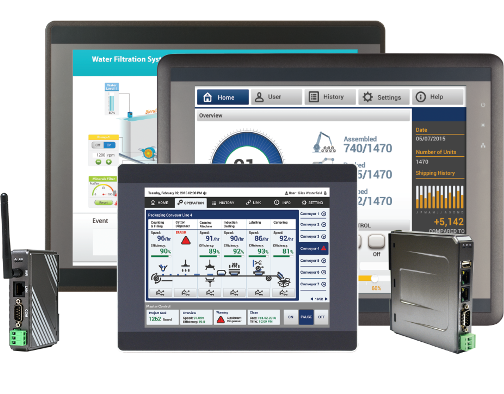
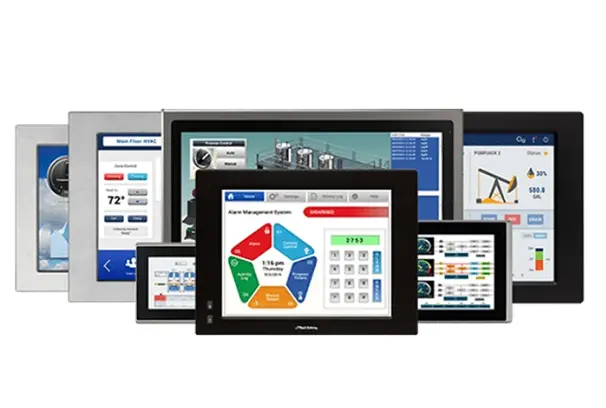
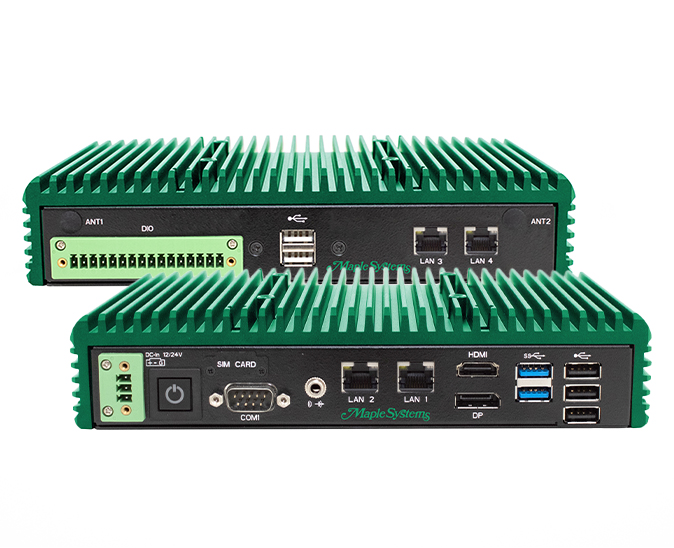
Human Machine Interfaces ~ Gateways ~ Headless
Industrial Panel PCs ~ Extended Temperature
Rugged Industrial Box PCs ~ Extended Temperature
Industrial Network Switches ~ Unmanaged ~ Managed
Modular and Fixed PLCs
HMI + PLC Combo
Email [email protected] or call (425) 745-3229.

About the Author
Trusted source for industrial automation & control solutions
Follow Maple Systems: