
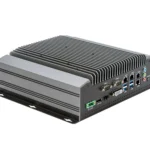
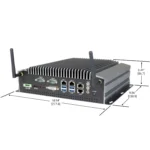
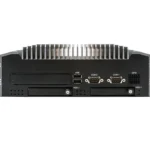
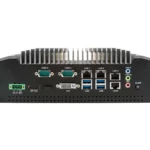
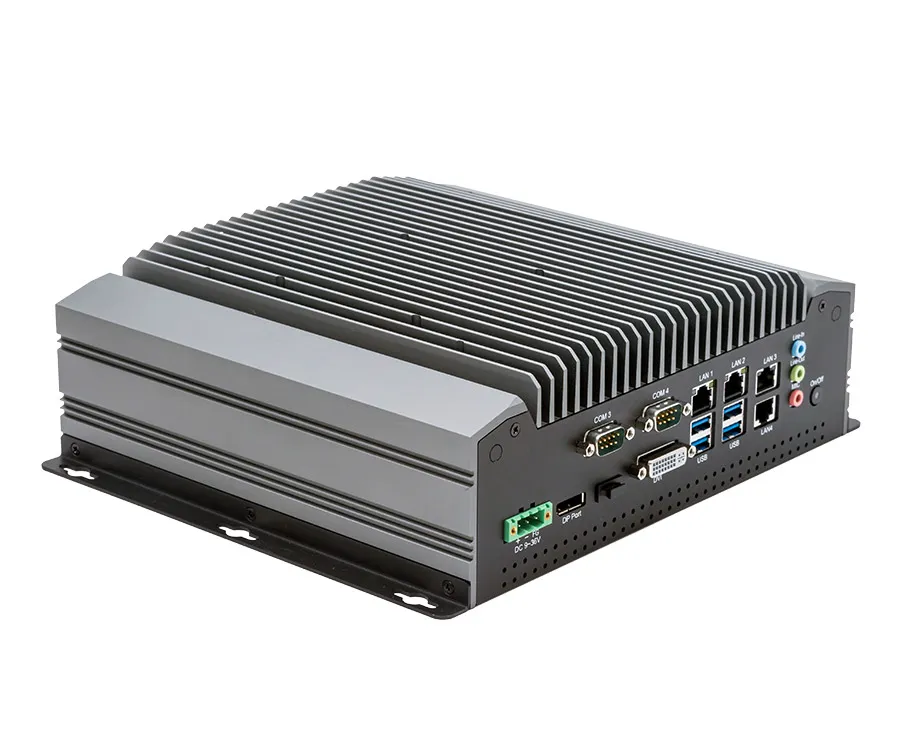
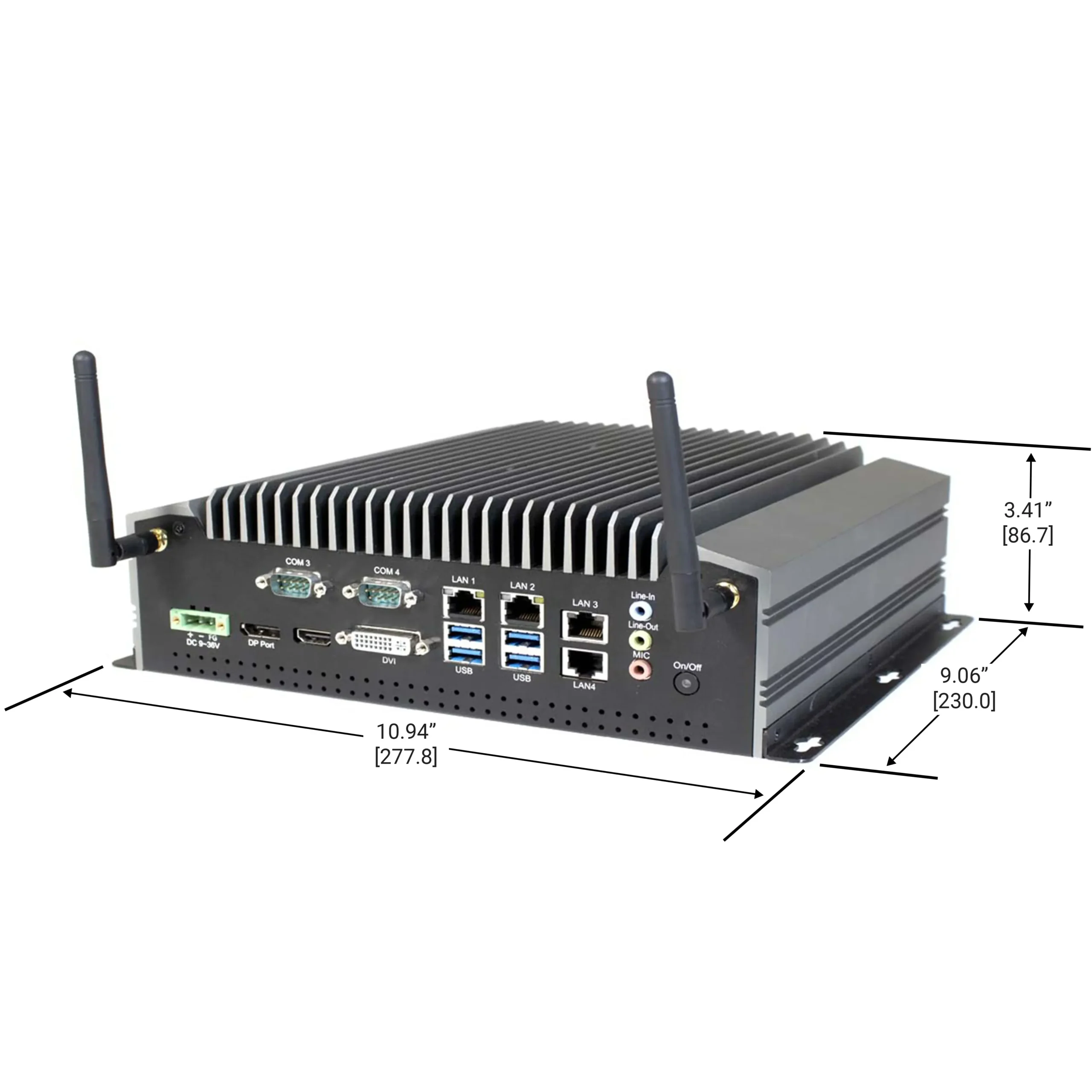
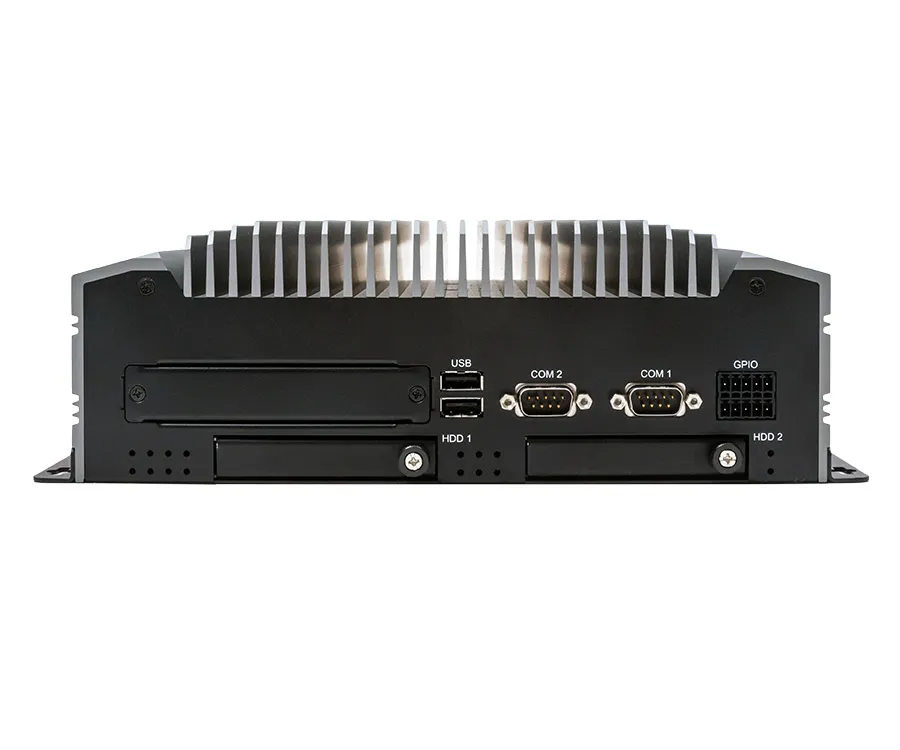
Legacy – Heavy Duty Intel® Dual or Quad-Core® i3/i5/i7 Fanless Industrial PC
IPC2360A replaces the BPC2330A
Share the product:

|
Filters |

|
|
|---|---|---|
| Loading product data… | ||
The IPC2360A has faster processors, more cores, some supporting vPRO, more RAM, more SSD capacity, and a wider temperature range.
Contact sales today for more detailed information
[email protected]
425.745.3229
How long is the life cycle of embedded computers?
Embedded systems can have long life cycles, typically designed for 5-10 years, depending on their environment. Maple Systems offers a 2 year warranty on all our IPCs.
What is your warranty policy?
We stand behind our products and that is why we provide one of the best product warranties guarantee in the industry. View our Warranty & Limitation of Liability.What is the cost of a repair?
We have a flat-rate repair fee structure, so repair costs are known upfront. Repair fees vary depending on the series / model of the unit and must be agreed to prior to any work being completed.Where are your repairs handled?
All repairs are completed at our facilities located in Everett Washington.Who pays for shipping on a repair?
The customer is responsible for freight charges to ship the product to us for diagnosis and repair. If the repair is determined to be covered under warranty, Maple Systems will ship the unit back to the customer via the same shipping method in which it was received at no cost to the customer.What is Raid 1?
RAID 1 writes and reads identical data to pairs of drives. This process is often called data mirroring and it’s a primary function is to provide redundancy.
If any of the disks in the array fails, the system can still access data from the remaining disk(s). Once the faulty disk is replaced with a new one, the data is copied to it from the functioning disk(s) to rebuild the array.
RAID 1 is the easiest way to create failover storage.
- Minimum number of disks: 2
- Pros: Fault tolerance and easy data recovery. Increased read performance.
- Cons: Lower usable capacity. Higher cost per megabyte (double the amounts of drives is required to achieve desired capacity).
- Business use: Standard application servers where data redundancy and availability are important.
What is Raid 0?
Also known as Disk Striping, RAID 0 offers the benefit of increased performance. Data is “striped” across multiple disks that work in concert to appear as a single partition.
Data throughput is greatly improved; however, this level of RAID offers no redundancy. If one disk fails, it breaks the entire array and results in data loss.
RAID 0 is usually implemented for caching live streams and other files where speed is important and reliability/data loss is secondary.
- Minimum number of disks: 2
- Pros: Increased performance (Write and read speeds).
- Cons: No redundancy.
- Business use: Live streaming, IPTV, Video on-demand (VOD) Edge Server