
In harsh environments such as military, public safety, and construction, device durability is essential. Rugged tablets and industrial computers used in these settings must stand up against drops, vibration, temperature extremes, moisture, and dust. The MIL-STD-810H is an environmental testing standard used to evaluate device performance under these conditions. Let’s go into some more detail on what exactly MIL-STD-810H covers and tests against, to better understand why it’s so essential for industrial devices.
What is MIL-STD-810H Environmental Testing?
Understanding the Military Standard
The MIL-STD-810 testing suite represents series of over 29 rigorous tests simulating harsh environments. The testing includes, but isn’t limited to extreme temperatures, rigorous vibrations and high drops and shocks. The MIL-STD is enforced and maintained by the U.S. military in order to create a standard for rugged equipment used by the military. This standard helps the U.S. military limit their equipment to the most rugged and long-lasting equipment possible.
The letter after “MIL-STD-810” refers to which revision of the testing standard the device is rated for. The “H” standard being the most recent iteration of the MIL-STD to date, which includes a great deal of updates to numerous tests. If you’d like to read the full official standard, you can find the full MIL-STD-810H document here.
The 6 Critical Test Methods for MIL-STD-810H
1. Drop and Shock Resistance
Representing testing method 516.8 are the drop and shock resistance tests. They’re typically conducted by dropping the device 4 feet onto solid concrete or plywood from multiple angles. A typical consumer-grade device will usually end up with a cracked screen, missing parts of its casing, or even a lost battery. A device that passes this test will stay operational after over 20 4-foot drops. So you can rest assured that your MIL-STD-810H rugged device will be able to stand up to a sudden impact.
2. Extreme Temperature Performance
MIL-STD testing method 501.7 and 502.7 test the device operation at extreme temperatures, both hot and cold. A device that passes these tests will stay operational between -20°F to 145°F, guaranteeing that your MIL-STD-810H device will stay operational year-round in any region. While a consumer-grade tablet will likely fail due to loosened connections or device overheating.
3. Vibration and Transportation Durability
Testing method 514.8 simulates sustained vibration from vehicles and machinery. It tests the device by constantly vibrating it for hours while checking for maintained functionality. This method of testing is critical for vehicle-mounted tablets and mobile workforce equipment. Passing this test ensures that your MIL-STD-810H device will not fail in trucks, forklifts, or any other vehicle it’s mounted to.
4. Water and Humidity Resistance
For testing method 506.6, the device is put through blowing rain machines and exposure to high humidity to test the device’s moisture-proofing. A typical consumer-grade device will let moisture in and short-circuit or block internal connections. However, a MIL-STD-810H device will stand up to water damage from any weather, and even from ocean spray in some instances.
5. Sand and Dust Protection
For sand and dust protection, test method 510.7 pits the device against extended exposure to airborne dust particles to test how well it’s sealed against solid contaminates. A consumer-grade tablet will allow dust particles to interfere or corrode it’s internal connections. Making this test essential for construction sites, and industrial settings that create a great deal of dust or sand.
6. Temperature Shock Resistance
To test rapid temperature transitions, the MIL-STD uses method 503.7. This test moves the testing device between temperatures of -40°F and 160°F. Then checks to ensure that the screen won’t crack or the seals won’t fail from this thermal shock. Passing this test ensures the device won’t fail when you carry the device between climate-controlled and outdoor environments.
MIL-STD-810H for Rugged Tablets: What Buyers Need to Know
How Rugged Tablets Are Tested
Typically, a rugged tablet manufacturer will choose which MIL-STD-810 tests to run on their device. Then, they will subject their tablets to the selected tests within a laboratory, usually with specialized machines to simulate the environmental stressors they’re testing against. After the test, a rugged tablet passes if it remains fully functional during and/or after the test (responsive screen, working buttons, fully intact housing).
Industries Using MIL-STD-810H Rated Tablets
Construction and field service.
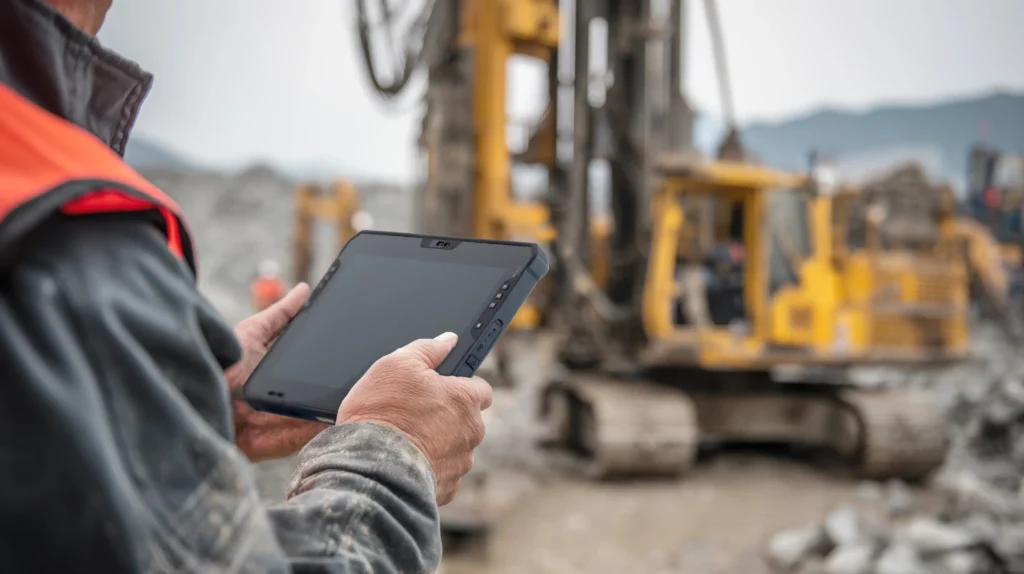
Construction sites and field service operations generate a lot of dust, dirt, and moisture which can quickly ruin commercial tablets. So rugged tablets with a MIL-STD-810H certification are essential to maintaining productivity and reducing downtime.
Military and defense field operations.
Rugged tablets are required in military operations, where extreme conditions are commonplace. The MIL-STD-810H is explicitly built for the drops, vibrations, temperature extremes, and ingress factors that can get in the way of mission-critical communication, navigation and data collection.
Public safety and emergency response.
First responders and emergency personnel rely on tablets in unpredictable and often harsh environments that consumer devices can’t keep up with. MIL-STD-810H tested tablets remain operational in rain and snow, supporting life-saving operations while on the go.

Oil and gas, mining, and utilities.
Industrial sectors like oil, gas, mining and utility maintenance often operate in very hazardous conditions. These industries typically introduce devices to high temperatures, heavy vibrations, and exposure to water and dust. MIL-STD-810H rated devices provide reliable performance for monitoring equipment, logging data, and maintaining safety protocols in these environments.
Transportation and logistics.
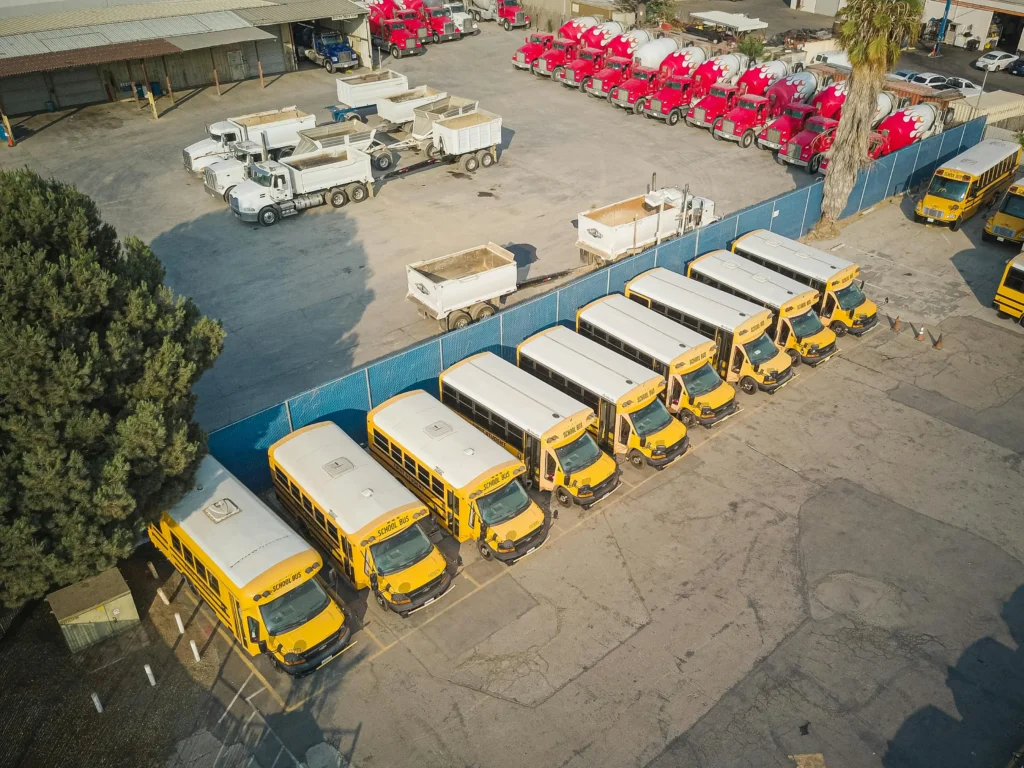
Tablets used in transportation and logistics face constant movement, vibration, and weather exposure. MIL-STD-810H tested devices deliver dependable performance to fleet management, inventory tracking, route planning, and delivery verification with reduced equipment failure contributing to operational efficiency.
MIL-STD-810H vs Ingress Protection (IP Rating)
An Ingress Protection (or IP) rating signifies that a device has protection against certain substances making their way inside. The first digit of the IP rating indicates the protection against solid particles like dust or tools. The second digit indicates the protection against liquids like water or corrosive cleaners. An IP rating of 67 means the device is completely dust-tight, and water resistant enough to still function when fully immersed in water up to 1m deep for up to 30 minutes.
While MIL-STD-810H and Ingress Protection ratings may have some overlap, but they still serve as separate ratings. MIL-STD-810H is usually used for more general device protection, including drop and shock protection, where IP rating is used to signify the specifics of dust and water protection. So both ratings work in tandem to assure buyers that their device will stay protected in whichever harsh environments the device may be exposed to.
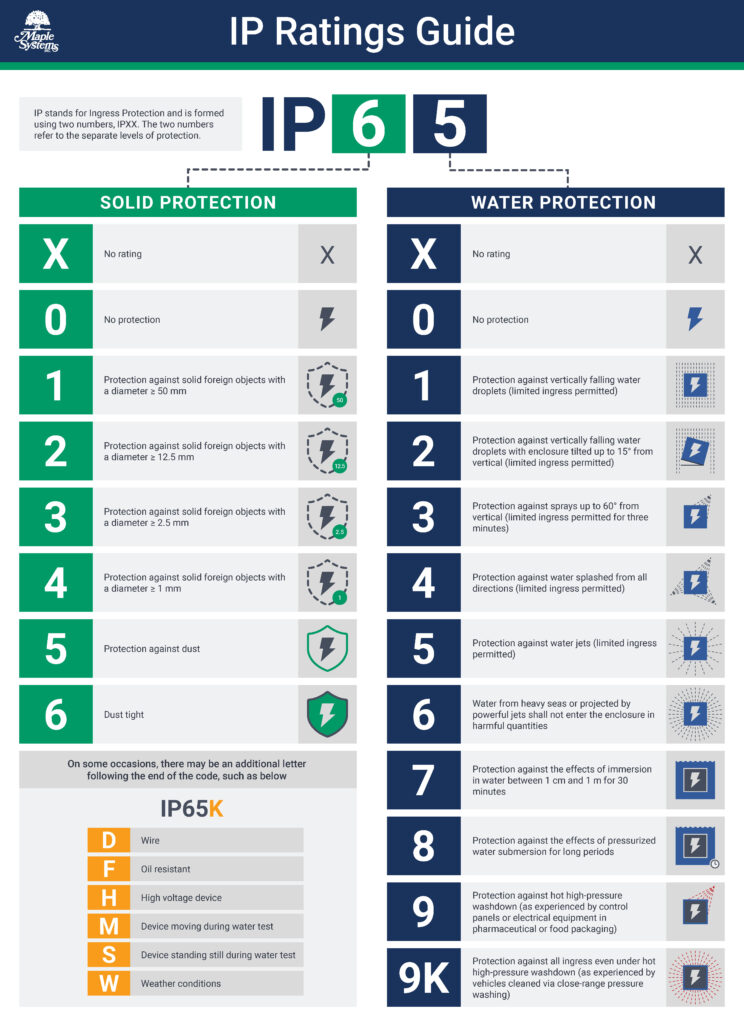
If you’d like to learn more about IP ratings, you can feel free to check out our FAQ on Ingress Protection.
Total Cost of Ownership: Is MIL-STD-810H Worth It?
While a device with MIL-STD-810H may be more expensive up front, a rugged tablet backed by the MIL-STD will often be more cost-effective over the long-term.
Initial Investment vs Long-Term Savings
Without accounting for damage or repair costs, a consumer-grade tablet will last anywhere between two to three years. A MIL-STD-810H tested rugged tablet will have an average lifespan of five years or more. So even before considering environmental factors, a rugged tablet can effectively double the lifespan of a consumer-grade device. Once you start incorporating these real-world environmental factors like drops, vibration, extreme temperatures, or moisture and dust, as well as the repair or replacement costs of consumer-grade tablets, the return on investment of the MIL-STD-810H rating only gets better.
The total cost of ownership extends beyond hardware repairs or replacements alone. Device failures in the field lead to worker downtime, interrupted workflows, delayed data collection, and lost productivity while replacements are ordered or repairs are completed. For industries such as construction, utilities, and transportation these devices can be mission-critical. So fewer device failures mean minimizing worker downtime, extending deployment cycles, and higher productivity overall. Over time, the durability and reliability offered by a MIL-STD-810H tested device will offset the higher upfront cost with a stronger long-term return on investment.
Conclusion
MIL-STD-810H is more than a technical specification, it’s a practical benchmark for evaluating if an industrial device can perform reliably in the environments these devices will actually face. By validating a device’s resistance to drops, vibration, temperature extremes, moisture, and dust, the standard helps organizations reduce operational risks created by device failures in the field.
Maple Systems offers many rugged tablets that combine the MIL-STD-810H certification with IP66 or IP67 rating, so they’re engineered to stand up to any real-world challenge. For industries that depend on consistent performance in harsh conditions, Maple Systems provides durable mobile computing solutions that support productivity and reliability, allowing for fewer device replacements and less operational down time.

About the Author
Trusted source for industrial automation & control solutions
Follow Maple Systems:
Share: